Price (USD)
Close callPAX 2
$150
RiO
$150
Pricing is very close between both devices.
Vaporizer Comparison
Side-by-side specs, pricing context, and clear decision guidance.
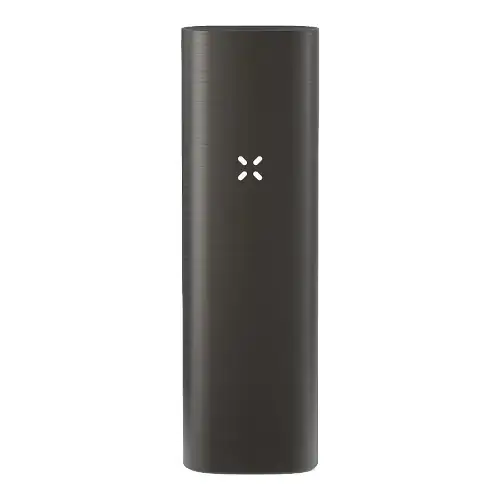
PAX 2
PAX Labs $150
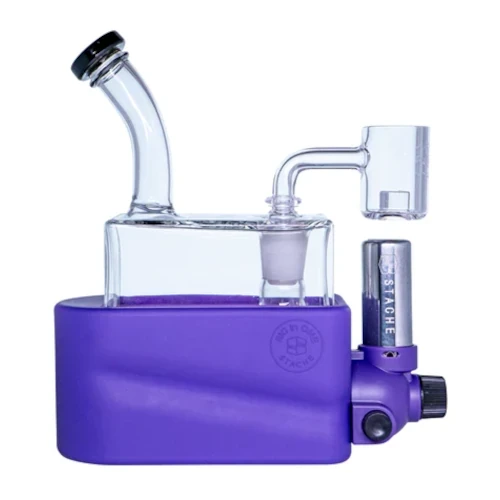
RiO
Stache $150
PAX 2 and RiO are both portable / conduction vaporizers, but they target different priorities. Their listed prices are close ($150 vs $150). Session style, airflow, and extraction behavior will matter more than raw spec sheet numbers here.
Specs Compared
18
Different Specs
15
Shared Specs
3
Overall Overlap
17%
Shared Traits
A quick snapshot of the specs people usually care about first.
PAX 2
$150
RiO
$150
Pricing is very close between both devices.
PAX 2
~90 grams
RiO
~522g
PAX 2 is the lighter listed unit.
PAX 2
Conduction
RiO
Conduction
Both devices use a similar heating approach.
Top specs where these two devices diverge.
Temperature Range
PAX 2
182°C - 215°C (360°F - 420°F)
RiO
N/A
Chamber Capacity
PAX 2
0.35 - 0.5 grams
RiO
N/A
Battery Type
PAX 2
Internal
RiO
N/A
Weight
PAX 2
~90 grams
RiO
~522g
Power Adjustment
PAX 2
4 Preset Modes
RiO
Manual
Chamber Material
PAX 2
Stainless Steel
RiO
Glass
Brand
PAX 2
PAX Labs
RiO
Stache
Warranty
PAX 2
2 years
RiO
1 year
Typical price
$150
Prices vary by store
Typical price
$150
Prices vary by store
Prices are read automatically from retailer pages and were last checked Oct 2, 2026; confirm the price at checkout. Some links are affiliate links, which support Thermal Extractions at no extra cost to you.
Direct comparison of every spec from each device profile.
| Specification | PAX 2 | RiO |
|---|---|---|
| Price (USD) | $150 | $150 |
| Device Type | Portable | Portable |
| Heating Type | Conduction | Conduction |
| Heat Up Time | <60 seconds | — |
| Temperature Range | 182°C - 215°C (360°F - 420°F) | N/A |
| Chamber Capacity | 0.35 - 0.5 grams | N/A |
| Battery Type | Internal | N/A |
| Battery Capacity | 3000mAh | — |
| Charging | — | N/A |
| Bluetooth / App | No | — |
| Dimensions | 98mm x 31mm x 22mm | — |
| Weight | ~90 grams | ~522g |
| Power Adjustment | 4 Preset Modes | Manual |
| Chamber Material | Stainless Steel | Glass |
| Concentrate Support | — | Yes |
| Brand | PAX Labs | Stache |
| Release Date | 2015 | — |
| Warranty | 2 years | 1 year |
The biggest practical difference is portability: the PAX 2 is roughly 432g lighter than the RiO, which adds up over a day of pocket carry.
PAX 2 is the lighter unit at ~90 grams, around 432g less than the RiO at ~522g. The lighter device is easier to carry and pocket day-to-day.
Listed prices are close: $150 for the PAX 2 versus $150 for the RiO. Day-to-day price will likely come down to whichever retailer is running a promotion.
PAX 2 controls heat with 4 preset modes, while the RiO uses manual. Both let you change temperature, just with different levels of precision.
PAX 2 lists a chamber capacity of 0.35 - 0.5 grams; the RiO lists N/A.
PAX 2 is the better pick if low-profile use matters. It's tagged as stealth or pocket-friendly in our database, while the RiO is more conspicuous in hand and harder to keep out of sight.
RiO is the better fit for microdosing in our database, typically thanks to a smaller chamber, finer temperature control, or both.
Jump into the comparison hub to pick any two devices and open a canonical side-by-side page.