Price (USD)
XMAX V3 Nano edgeWISPR 2
$115
XMAX V3 Nano
$50
XMAX V3 Nano is typically around $65 lower.
Vaporizer Comparison
Side-by-side specs, pricing context, and clear decision guidance.
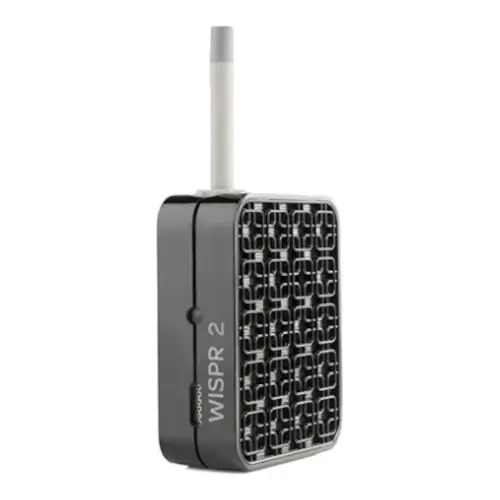
WISPR 2
IOLITE $115
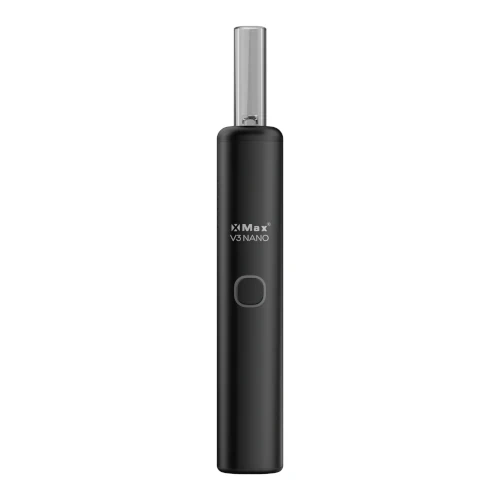
XMAX V3 Nano
XMAX from $49.95
WISPR 2 and XMAX V3 Nano are both portable vaporizers, but they target different priorities. XMAX V3 Nano is usually the lower-cost pick at $50, around $65 below WISPR 2. Session style, airflow, and extraction behavior will matter more than raw spec sheet numbers here.
Specs Compared
26
Different Specs
24
Shared Specs
2
Overall Overlap
8%
Shared Traits
A quick snapshot of the specs people usually care about first.
WISPR 2
$115
XMAX V3 Nano
$50
XMAX V3 Nano is typically around $65 lower.
WISPR 2
Conduction
XMAX V3 Nano
Hybrid (primarily convection)
Heating style differs, which can impact flavor and extraction behavior.
Top specs where these two devices diverge.
Price (USD)
WISPR 2
$115
XMAX V3 Nano
$50
Heating Type
WISPR 2
Conduction
XMAX V3 Nano
Hybrid (primarily convection)
Temperature Range
WISPR 2
~210°C (410°F)
XMAX V3 Nano
200 - 220C (single temp setting)
Battery Type
WISPR 2
None
XMAX V3 Nano
Internal (non-swappable)
Battery Capacity
WISPR 2
N/A
XMAX V3 Nano
1000mAh
Battery Life
WISPR 2
N/A
XMAX V3 Nano
5-6 sessions
Charging
WISPR 2
N/A
XMAX V3 Nano
USB-C
Charge Time
WISPR 2
N/A
XMAX V3 Nano
~1 hour
Power Adjustment
WISPR 2
Fixed
XMAX V3 Nano
None (fixed preset)
Brand
WISPR 2
IOLITE
XMAX V3 Nano
XMAX
Typical price
$115
No stores listed yet
No discount code
Lowest price
$49.95
at The Stash Shack
Prices are read automatically from retailer pages and were last checked Oct 2, 2026; confirm the price at checkout. Some links are affiliate links, which support Thermal Extractions at no extra cost to you.
Direct comparison of every spec from each device profile.
| Specification | WISPR 2 | XMAX V3 Nano |
|---|---|---|
| Price (USD) | $115 | $50 |
| Device Type | Portable | Portable |
| Heating Type | Conduction | Hybrid (primarily convection) |
| Heat Up Time | — | 30 seconds |
| Temperature Range | ~210°C (410°F) | 200 - 220C (single temp setting) |
| Chamber Capacity | — | ~0.1g |
| Battery Type | None | Internal (non-swappable) |
| Battery Capacity | N/A | 1000mAh |
| Battery Life | N/A | 5-6 sessions |
| Charging | N/A | USB-C |
| Charge Time | N/A | ~1 hour |
| Width | — | 2cm |
| Height | — | 13.5cm |
| Weight | — | 50g |
| Power Adjustment | Fixed | None (fixed preset) |
| Chamber Material | Stainless Steel | Stainless steel |
| Brand | IOLITE | XMAX |
| Country of Manufacture | Ireland | China |
| Display Type | — | None |
| Haptic Feedback | — | Yes |
| Manufacturer | — | TopGreen Technology Co |
| Release Date | 2013 | 2023 |
| Session Style | — | Session |
| Session Timer | — | 3 minutes |
| Thickness | — | 2cm |
| Warranty | 2 years | 1 year |
The biggest practical difference is heating approach: WISPR 2 runs conduction while XMAX V3 Nano runs hybrid (primarily convection). That changes flavor delivery, vapor density, and how the device responds to slow versus fast draws.
XMAX V3 Nano is the cheaper option at $50 compared with $115 for the WISPR 2, about $65 less. Live retailer pricing can shift, so confirm before buying.
WISPR 2 uses conduction heating, while the XMAX V3 Nano uses hybrid (primarily convection). Heating style influences flavor profile, vapor density, and how forgiving the device is to draw technique.
WISPR 2's spec sheet lists N/A; the XMAX V3 Nano lists 5-6 sessions. The two manufacturers measure battery life differently here, so direct comparison isn't straightforward.
Across the 26 specs we line up, they share 2 and differ on 24, an overlap of about 8%. The differences are concentrated in the areas the spec table highlights with a marker.
Jump into the comparison hub to pick any two devices and open a canonical side-by-side page.