Price (USD)
Linx Apollo edgeLinx Apollo
$190
Ruby Twist Pro
$230
Linx Apollo is typically around $40 lower.
Vaporizer Comparison
Side-by-side specs, pricing context, and clear decision guidance.
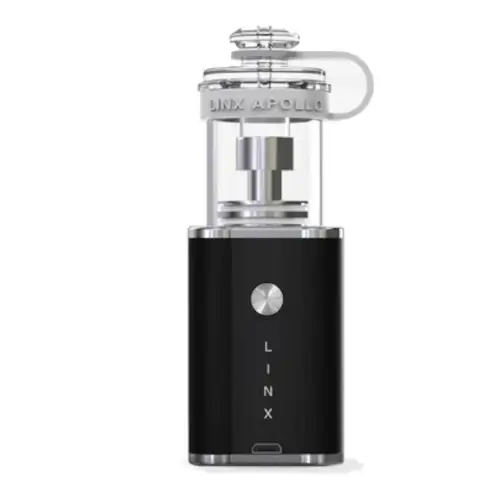
Linx Apollo
Linx Vapor $190
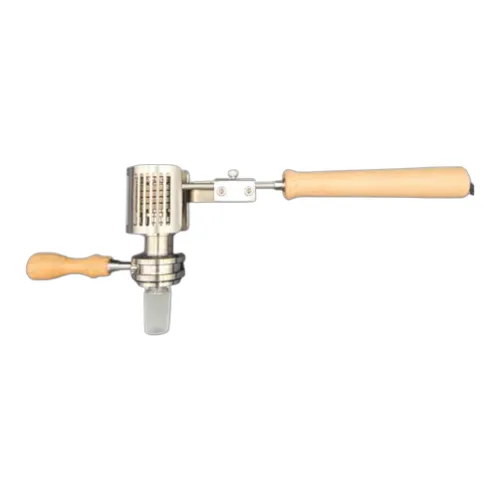
Ruby Twist Pro
SZ Crossing from $229.99
Linx Apollo and Ruby Twist Pro are both electronic vaporizers, but they target different priorities. Linx Apollo is usually the lower-cost pick at $190, around $40 below Ruby Twist Pro. Session style, airflow, and extraction behavior will matter more than raw spec sheet numbers here.
Specs Compared
28
Different Specs
27
Shared Specs
1
Overall Overlap
4%
Shared Traits
A quick snapshot of the specs people usually care about first.
Linx Apollo
$190
Ruby Twist Pro
$230
Linx Apollo is typically around $40 lower.
Top specs where these two devices diverge.
Price (USD)
Linx Apollo
$190
Ruby Twist Pro
$230
Device Type
Linx Apollo
Portable
Ruby Twist Pro
Desktop
Temperature Range
Linx Apollo
220°F - 428°F
Ruby Twist Pro
260-330°C (500-626°F)
Battery Type
Linx Apollo
Internal
Ruby Twist Pro
None
Charging
Linx Apollo
Micro USB
Ruby Twist Pro
None
Power Adjustment
Linx Apollo
Modular - 4 Stages
Ruby Twist Pro
Micro PID controller, set to the degree
Chamber Material
Linx Apollo
Quartz
Ruby Twist Pro
Grade 2 titanium housing with a borosilicate glass vapor path
Concentrate Support
Linx Apollo
Yes
Ruby Twist Pro
No, designed for dry herb
Brand
Linx Apollo
Linx Vapor
Ruby Twist Pro
SZ Crossing
Typical price
$190
No stores listed yet
No discount code
Current price
$229.99
at The Stash Shack
Prices are read automatically from retailer pages and were last checked Oct 9, 2026; confirm the price at checkout. Some links are affiliate links, which support Thermal Extractions at no extra cost to you.
Direct comparison of every spec from each device profile.
| Specification | Linx Apollo | Ruby Twist Pro |
|---|---|---|
| Price (USD) | $190 | $230 |
| Device Type | Portable | Desktop |
| Heating Type | — | Convection (ball vape), hybrid with a heat soak |
| Heat Up Time | — | About 45 seconds for the coil, 2-3 minutes for the ruby bed to soak |
| Temperature Range | 220°F - 428°F | 260-330°C (500-626°F) |
| Chamber Capacity | N/A | — |
| Battery Type | Internal | None |
| Battery Capacity | 2600mAh | — |
| Battery Life | ~10 sessions | — |
| Charging | Micro USB | None |
| Charge Time | 3-4 hours | — |
| Dimensions | 60 x 40 x 40mm | — |
| Weight | 150 grams | — |
| Power Adjustment | Modular - 4 Stages | Micro PID controller, set to the degree |
| Chamber Material | Quartz | Grade 2 titanium housing with a borosilicate glass vapor path |
| Concentrate Support | Yes | No, designed for dry herb |
| Brand | Linx Vapor | SZ Crossing |
| Adjustable Airflow | Yes | — |
| Auto Shutoff | — | Adjustable timer, 0 to 5 hours |
| Ball Type | — | 155 x 2.5mm ruby corundum, 100 spares included |
| Coil Size | — | 20mm |
| Country of Manufacture | — | China |
| Joint Size | — | 14.4mm and 18.8mm glass joints on the Micro Matrix bowl |
| Manufacturer | — | Crossing Technology |
| Power | — | 110V or 220V |
| Release Date | — | 2025 |
| Session Style | — | On-Demand |
| Warranty | 1 year | 1 year |
The biggest practical difference is form factor: these aren't the same kind of device. Linx Apollo is a portable, Ruby Twist Pro is a desktop. Pick based on whether you want something portable or something stationary.
Linx Apollo is the cheaper option at $190 compared with $230 for the Ruby Twist Pro, about $40 less. Live retailer pricing can shift, so confirm before buying.
Linx Apollo is the take-anywhere choice. It's a portable, battery-powered unit, while the Ruby Twist Pro is built for home use, where bigger heaters, AC power, and larger chambers make sense.
Only the Linx Apollo supports concentrates out of the box. The Ruby Twist Pro is dry-herb-only by design.
Linx Apollo controls heat with modular - 4 stages, while the Ruby Twist Pro uses micro pid controller, set to the degree. Ruby Twist Pro gives you finer per-degree control.
Jump into the comparison hub to pick any two devices and open a canonical side-by-side page.