Price (USD)
Kandypens Oculus edgeKandypens Oculus
$100
Zeus Arc GT4
$260
Kandypens Oculus is typically around $160 lower.
Vaporizer Comparison
Side-by-side specs, pricing context, and clear decision guidance.
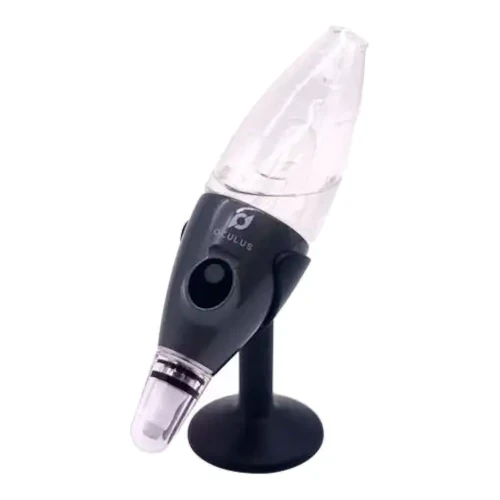
Kandypens Oculus
Kandypens $100
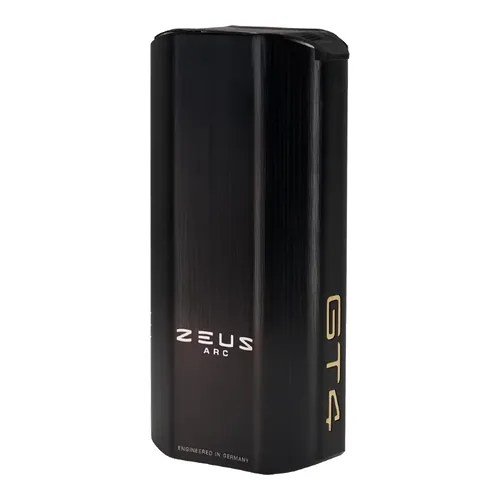
Zeus Arc GT4
Zeus Arsenal $260
Kandypens Oculus and Zeus Arc GT4 are both portable / concentrates vaporizers, but they target different priorities. Kandypens Oculus is usually the lower-cost pick at $100, around $160 below Zeus Arc GT4. Session style, airflow, and extraction behavior will matter more than raw spec sheet numbers here.
Specs Compared
27
Different Specs
24
Shared Specs
3
Overall Overlap
11%
Shared Traits
A quick snapshot of the specs people usually care about first.
Kandypens Oculus
$100
Zeus Arc GT4
$260
Kandypens Oculus is typically around $160 lower.
Kandypens Oculus
Conduction
Zeus Arc GT4
Conduction
Both devices use a similar heating approach.
Top specs where these two devices diverge.
Price (USD)
Kandypens Oculus
$100
Zeus Arc GT4
$260
Chamber Capacity
Kandypens Oculus
N/A
Zeus Arc GT4
Up to ~0.4g in an ArcPod, spacer included for smaller loads
Battery Capacity
Kandypens Oculus
500mAh
Zeus Arc GT4
3500mAh
Charging
Kandypens Oculus
USB-C
Zeus Arc GT4
USB-C (5V, 2.5A, 12.5W)
Power Adjustment
Kandypens Oculus
3 Preset Voltage Settings
Zeus Arc GT4
Presets (6 herb levels, 3 wax levels)
Concentrate Support
Kandypens Oculus
Yes
Zeus Arc GT4
Yes, via the WaxPod and a dedicated wax mode
Brand
Kandypens Oculus
Kandypens
Zeus Arc GT4
Zeus Arsenal
Warranty
Kandypens Oculus
Lifetime (battery)
Zeus Arc GT4
2 years, extendable to 3 with registration (battery 3 months)
Typical price
$100
No stores listed yet
Typical price
$260
No stores listed yet
Direct comparison of every spec from each device profile.
| Specification | Kandypens Oculus | Zeus Arc GT4 |
|---|---|---|
| Price (USD) | $100 | $260 |
| Device Type | Portable | Portable |
| Heating Type | Conduction | Conduction |
| Heat Up Time | — | ~35 seconds |
| Temperature Range | — | 195-225°C (383-437°F) herb, 235-255°C (455-491°F) wax |
| Chamber Capacity | N/A | Up to ~0.4g in an ArcPod, spacer included for smaller loads |
| Battery Type | Internal | Internal |
| Battery Capacity | 500mAh | 3500mAh |
| Battery Life | — | ~6-8 sessions per charge |
| Charging | USB-C | USB-C (5V, 2.5A, 12.5W) |
| Charge Time | — | ~90 minutes |
| Dimensions | — | 86.5 x 42.5 x 22.5mm |
| Weight | — | ~121 grams |
| Power Adjustment | 3 Preset Voltage Settings | Presets (6 herb levels, 3 wax levels) |
| Chamber Material | — | 24K gold coated |
| Concentrate Support | Yes | Yes, via the WaxPod and a dedicated wax mode |
| Brand | Kandypens | Zeus Arsenal |
| Adjustable Airflow | — | Yes (Flow Sink in for a restricted draw, out for a free draw) |
| Display Type | — | 3 LED status interface |
| Haptic Feedback | — | Yes |
| Manufacturer | — | Thermodyne Systems |
| Release Date | — | 2025 |
| Session Style | — | Session (6 minute herb cycle, ~2 minute wax cycle) |
| Tip Material | Quartz Mesh | — |
| Warranty | Lifetime (battery) | 2 years, extendable to 3 with registration (battery 3 months) |
| Water Filtration | Yes | — |
| Water Pipe Adapter | — | Included, fits 14mm and 18mm glass |
The biggest practical difference is price tier: the Kandypens Oculus sits at $100 while the Zeus Arc GT4 is $260, a gap of about $160 that puts them in different buying brackets.
Kandypens Oculus is the cheaper option at $100 compared with $260 for the Zeus Arc GT4, about $160 less. Live retailer pricing can shift, so confirm before buying.
Kandypens Oculus lists a chamber capacity of N/A; the Zeus Arc GT4 lists Up to ~0.4g in an ArcPod, spacer included for smaller loads.
Only the Zeus Arc GT4 has a documented water-pipe adapter option. The Kandypens Oculus doesn't list one, though aftermarket adapters sometimes exist for popular models.
Zeus Arc GT4 is the better pick if low-profile use matters. It's tagged as stealth or pocket-friendly in our database, while the Kandypens Oculus is more conspicuous in hand and harder to keep out of sight.
Both devices support concentrate use, typically via an included or aftermarket pad or insert. Check the manual for the recommended approach for each.
Across the 27 specs we line up, they share 3 and differ on 24, an overlap of about 11%. The differences are concentrated in the areas the spec table highlights with a marker.
Jump into the comparison hub to pick any two devices and open a canonical side-by-side page.