Price (USD)
Anvil edgeAnvil
$200
PAX FLOW
$350
Anvil is typically around $150 lower.
Vaporizer Comparison
Side-by-side specs, pricing context, and clear decision guidance.
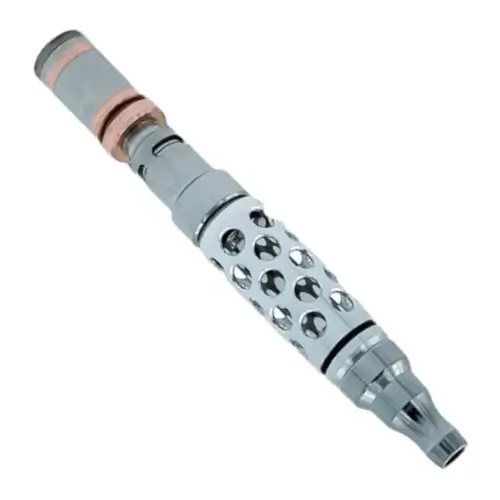
Anvil
Vestratto $200
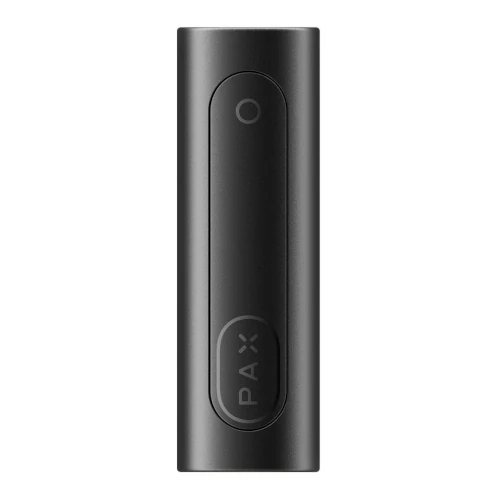
PAX FLOW
PAX Labs from $279.95
Anvil and PAX FLOW are both portable / hybrid vaporizers, but they target different priorities. Anvil is usually the lower-cost pick at $200, around $150 below PAX FLOW. Heat-up speed is broadly similar between the two.
Specs Compared
21
Different Specs
18
Shared Specs
3
Overall Overlap
14%
Shared Traits
A quick snapshot of the specs people usually care about first.
Anvil
$200
PAX FLOW
$350
Anvil is typically around $150 lower.
Anvil
Depending on the heat source, ~30 seconds
PAX FLOW
30-45 seconds
Both devices are in a similar heat-up range.
Anvil
Hybrid
PAX FLOW
Hybrid (conduction + convection)
Heating style differs, which can impact flavor and extraction behavior.
Top specs where these two devices diverge.
Price (USD)
Anvil
$200
PAX FLOW
$350
Heating Type
Anvil
Hybrid
PAX FLOW
Hybrid (conduction + convection)
Heat Up Time
Anvil
Depending on the heat source, ~30 seconds
PAX FLOW
30-45 seconds
Temperature Range
Anvil
N/A
PAX FLOW
180°C - 225°C (356°F - 437°F)
Chamber Capacity
Anvil
~0.07 - 0.13g
PAX FLOW
0.25g - 0.35g
Battery Type
Anvil
None
PAX FLOW
Internal
Battery Capacity
Anvil
N/A
PAX FLOW
2000mAh (internal)
Battery Life
Anvil
N/A
PAX FLOW
~30 minutes (about 3 sessions)
Charging
Anvil
N/A
PAX FLOW
USB-C
Charge Time
Anvil
N/A
PAX FLOW
~20 minutes to 50%, ~40 minutes to full (USB-C)
Typical price
$200
No stores listed yet
Lowest price
$279.95
at VPM
Prices are read automatically from retailer pages and were last checked Oct 9, 2026; confirm the price at checkout. Some links are affiliate links, which support Thermal Extractions at no extra cost to you.
Direct comparison of every spec from each device profile.
| Specification | Anvil | PAX FLOW |
|---|---|---|
| Price (USD) | $200 | $350 |
| Device Type | Portable | Portable |
| Heating Type | Hybrid | Hybrid (conduction + convection) |
| Heat Up Time | Depending on the heat source, ~30 seconds | 30-45 seconds |
| Temperature Range | N/A | 180°C - 225°C (356°F - 437°F) |
| Chamber Capacity | ~0.07 - 0.13g | 0.25g - 0.35g |
| Battery Type | None | Internal |
| Battery Capacity | N/A | 2000mAh (internal) |
| Battery Life | N/A | ~30 minutes (about 3 sessions) |
| Charging | N/A | USB-C |
| Charge Time | N/A | ~20 minutes to 50%, ~40 minutes to full (USB-C) |
| Dimensions | — | 107mm x 34.5mm x 29mm |
| Weight | — | 135 grams |
| Power Adjustment | Manual | Four petal modes + Bong Mode |
| Chamber Material | Stainless Steel | Stainless Steel |
| Brand | Vestratto | PAX Labs |
| Adjustable Airflow | Yes | No |
| Country of Manufacture | Canada | — |
| Release Date | — | 2025 |
| Session Style | Session | Session |
| Warranty | — | 2 years (4 with registration) |
The biggest practical difference is price tier: the Anvil sits at $200 while the PAX FLOW is $350, a gap of about $150 that puts them in different buying brackets.
Anvil is the cheaper option at $200 compared with $350 for the PAX FLOW, about $150 less. Live retailer pricing can shift, so confirm before buying.
Anvil reaches session-ready temperature in Depending on the heat source, ~30 seconds, while the PAX FLOW takes 30-45 seconds. That's roughly 8 seconds quicker on the Anvil, which is useful if you want shorter, on-demand sessions.
Anvil uses hybrid heating, while the PAX FLOW uses hybrid (conduction + convection). Heating style influences flavor profile, vapor density, and how forgiving the device is to draw technique.
PAX FLOW has the larger chamber at 0.25g - 0.35g, versus ~0.07 - 0.13g on the Anvil. A bigger bowl means fewer reloads on long sessions; a smaller one suits microdosing and quicker bowls.
PAX FLOW is the better pick if low-profile use matters. It's tagged as stealth or pocket-friendly in our database, while the Anvil is more conspicuous in hand and harder to keep out of sight.
Anvil's spec sheet lists N/A; the PAX FLOW lists ~30 minutes (about 3 sessions). The two manufacturers measure battery life differently here, so direct comparison isn't straightforward.
Jump into the comparison hub to pick any two devices and open a canonical side-by-side page.