Price (USD)
Airistech Herbva Nokiva edgeAiristech Herbva Nokiva
$63
Kind Pen TruVa Mini 2.0
$160
Airistech Herbva Nokiva is typically around $97 lower.
Vaporizer Comparison
Side-by-side specs, pricing context, and clear decision guidance.
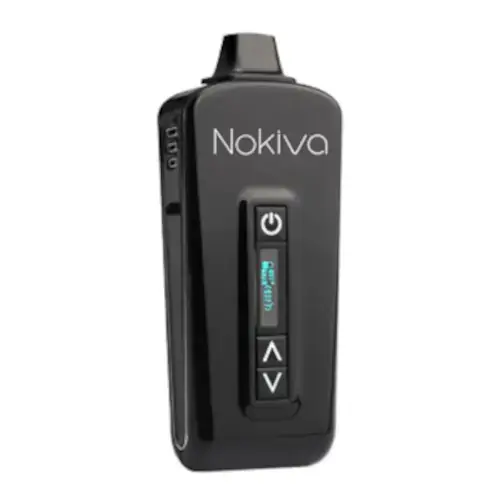
Airistech Herbva Nokiva
Airistech $63
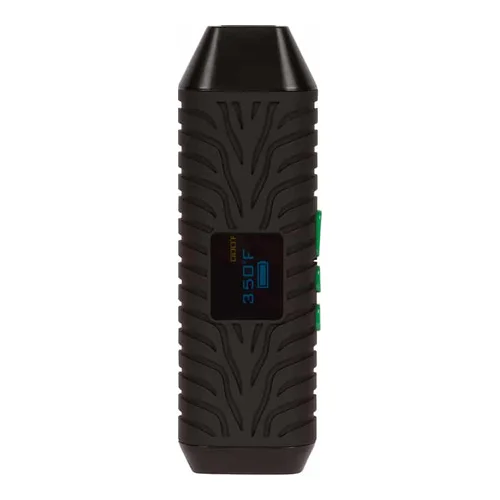
Kind Pen TruVa Mini 2.0
The Kind Pen $160
Airistech Herbva Nokiva and Kind Pen TruVa Mini 2.0 are both portable / budget vaporizers, but they target different priorities. Airistech Herbva Nokiva is usually the lower-cost pick at $63, around $97 below Kind Pen TruVa Mini 2.0. Heat-up speed is broadly similar between the two.
Specs Compared
18
Different Specs
15
Shared Specs
3
Overall Overlap
17%
Shared Traits
A quick snapshot of the specs people usually care about first.
Airistech Herbva Nokiva
$63
Kind Pen TruVa Mini 2.0
$160
Airistech Herbva Nokiva is typically around $97 lower.
Airistech Herbva Nokiva
~20 seconds
Kind Pen TruVa Mini 2.0
~20 seconds
Both devices are in a similar heat-up range.
Airistech Herbva Nokiva
Conduction
Kind Pen TruVa Mini 2.0
Convection
Heating style differs, which can impact flavor and extraction behavior.
Top specs where these two devices diverge.
Price (USD)
Airistech Herbva Nokiva
$63
Kind Pen TruVa Mini 2.0
$160
Heating Type
Airistech Herbva Nokiva
Conduction
Kind Pen TruVa Mini 2.0
Convection
Temperature Range
Airistech Herbva Nokiva
300°F - 435°F
Kind Pen TruVa Mini 2.0
350-430°F
Chamber Capacity
Airistech Herbva Nokiva
0.5g
Kind Pen TruVa Mini 2.0
0.3 grams
Battery Type
Airistech Herbva Nokiva
Lithium Polymer
Kind Pen TruVa Mini 2.0
Built-in
Power Adjustment
Airistech Herbva Nokiva
Digital Control
Kind Pen TruVa Mini 2.0
Digital
Chamber Material
Airistech Herbva Nokiva
Ceramic
Kind Pen TruVa Mini 2.0
Quartz
Brand
Airistech Herbva Nokiva
Airistech
Kind Pen TruVa Mini 2.0
The Kind Pen
Warranty
Airistech Herbva Nokiva
1 year
Kind Pen TruVa Mini 2.0
Lifetime
Typical price
$63
No stores listed yet
Typical price
$160
Sold by The Kind Pen
Prices are read automatically from retailer pages; confirm the price at checkout. Some links are affiliate links, which support Thermal Extractions at no extra cost to you.
Direct comparison of every spec from each device profile.
| Specification | Airistech Herbva Nokiva | Kind Pen TruVa Mini 2.0 |
|---|---|---|
| Price (USD) | $63 | $160 |
| Device Type | Portable | Portable |
| Heating Type | Conduction | Convection |
| Heat Up Time | ~20 seconds | ~20 seconds |
| Temperature Range | 300°F - 435°F | 350-430°F |
| Chamber Capacity | 0.5g | 0.3 grams |
| Battery Type | Lithium Polymer | Built-in |
| Battery Capacity | 2200mAh | 2200mAh |
| Battery Life | — | 8-10 sessions |
| Charging | USB-C | — |
| Charge Time | ~3 hours | — |
| Power Adjustment | Digital Control | Digital |
| Chamber Material | Ceramic | Quartz |
| Brand | Airistech | The Kind Pen |
| Body Material | — | Rubberized non-slip finish |
| Country of Manufacture | China | — |
| Display Type | — | OLED |
| Warranty | 1 year | Lifetime |
The biggest practical difference is heating approach: Airistech Herbva Nokiva runs conduction while Kind Pen TruVa Mini 2.0 runs convection. That changes flavor delivery, vapor density, and how the device responds to slow versus fast draws.
Airistech Herbva Nokiva is the cheaper option at $63 compared with $160 for the Kind Pen TruVa Mini 2.0, about $97 less. Live retailer pricing can shift, so confirm before buying.
Airistech Herbva Nokiva uses conduction heating, while the Kind Pen TruVa Mini 2.0 uses convection. Heating style influences flavor profile, vapor density, and how forgiving the device is to draw technique.
Airistech Herbva Nokiva has the larger chamber at 0.5g, versus 0.3 grams on the Kind Pen TruVa Mini 2.0. A bigger bowl means fewer reloads on long sessions; a smaller one suits microdosing and quicker bowls.
Heat-up times are very close: ~20 seconds on the Airistech Herbva Nokiva and ~20 seconds on the Kind Pen TruVa Mini 2.0. The real-world difference will be hard to notice mid-session.
Airistech Herbva Nokiva covers 300°F - 435°F, a wider band than the Kind Pen TruVa Mini 2.0 at 350-430°F. A wider range gives you more room to dial in flavor at the low end and big clouds at the top.
Across the 18 specs we line up, they share 3 and differ on 15, an overlap of about 17%. The differences are concentrated in the areas the spec table highlights with a marker.
Jump into the comparison hub to pick any two devices and open a canonical side-by-side page.