Price (USD)
Arizer Solo edgeArizer Solo
$114
YLLVAPE Angus
$169
Arizer Solo is typically around $55 lower.
Vaporizer Comparison
Side-by-side specs, pricing context, and clear decision guidance.
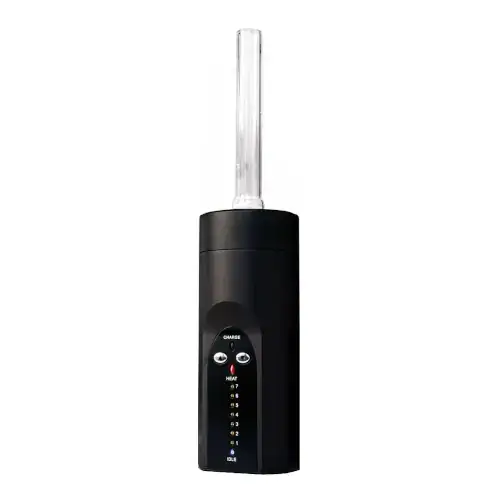
Arizer Solo
Arizer $114
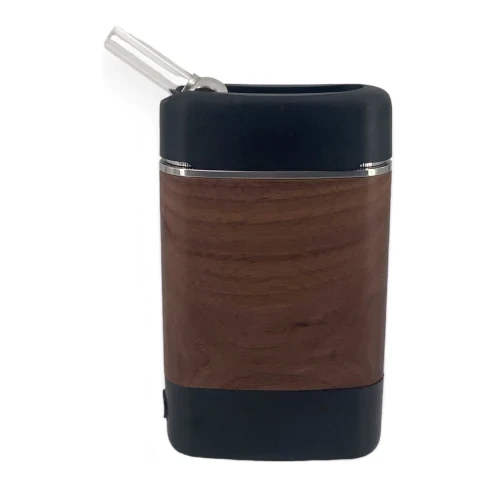
YLLVAPE Angus
YLLVAPE $169
Arizer Solo and YLLVAPE Angus are both portable / hybrid vaporizers, but they target different priorities. Arizer Solo is usually the lower-cost pick at $114, around $55 below YLLVAPE Angus. YLLVAPE Angus has the quicker listed heat-up profile, which can matter for shorter sessions.
Specs Compared
24
Different Specs
22
Shared Specs
2
Overall Overlap
8%
Shared Traits
A quick snapshot of the specs people usually care about first.
Arizer Solo
$114
YLLVAPE Angus
$169
Arizer Solo is typically around $55 lower.
Arizer Solo
~90 seconds
YLLVAPE Angus
60-90 seconds
YLLVAPE Angus has the quicker listed heat-up profile.
Arizer Solo
~217g
YLLVAPE Angus
260g
Arizer Solo is the lighter listed unit.
Arizer Solo
Hybrid
YLLVAPE Angus
Hybrid
Both devices use a similar heating approach.
Top specs where these two devices diverge.
Price (USD)
Arizer Solo
$114
YLLVAPE Angus
$169
Heat Up Time
Arizer Solo
~90 seconds
YLLVAPE Angus
60-90 seconds
Temperature Range
Arizer Solo
185°C-210°C
YLLVAPE Angus
180°C - 220°C (356°F - 428°F)
Chamber Capacity
Arizer Solo
~0.15g
YLLVAPE Angus
0.25g
Battery Type
Arizer Solo
Internal
YLLVAPE Angus
2x 18650 (user replaceable)
Battery Life
Arizer Solo
1-2 hours
YLLVAPE Angus
7-10 sessions
Charging
Arizer Solo
Proprietary Barrel Charger
YLLVAPE Angus
USB-C
Dimensions
Arizer Solo
45x114mm
YLLVAPE Angus
133x76x31mm
Weight
Arizer Solo
~217g
YLLVAPE Angus
260g
Power Adjustment
Arizer Solo
Modular - 7 stages
YLLVAPE Angus
Preset - 5 Stages
Typical price
$114
No stores listed yet
No discount code
Typical price
$169
Prices vary by store
Prices are read automatically from retailer pages and were last checked Oct 2, 2026; confirm the price at checkout. Some links are affiliate links, which support Thermal Extractions at no extra cost to you.
Direct comparison of every spec from each device profile.
| Specification | Arizer Solo | YLLVAPE Angus |
|---|---|---|
| Price (USD) | $114 | $169 |
| Device Type | Portable | Portable |
| Heating Type | Hybrid | Hybrid |
| Heat Up Time | ~90 seconds | 60-90 seconds |
| Temperature Range | 185°C-210°C | 180°C - 220°C (356°F - 428°F) |
| Chamber Capacity | ~0.15g | 0.25g |
| Battery Type | Internal | 2x 18650 (user replaceable) |
| Battery Life | 1-2 hours | 7-10 sessions |
| Charging | Proprietary Barrel Charger | USB-C |
| Charge Time | ~4 hours | — |
| Dimensions | 45x114mm | 133x76x31mm |
| Weight | ~217g | 260g |
| Power Adjustment | Modular - 7 stages | Preset - 5 Stages |
| Chamber Material | Glass | Stainless Steel |
| Brand | Arizer | YLLVAPE |
| Adjustable Airflow | — | Yes |
| Bulb Life | — | Up to 2000 hours |
| Country of Manufacture | China | — |
| Haptic Feedback | — | Yes |
| Heating Element | — | Halogen Bulb |
| Release Date | 2011 | 2021 |
| Session Style | — | Session |
| Temperature Presets | — | 180°C/356°F, 190°C/375°F, 200°C/395°F. 210°C/410°F, 220°C/428°F |
| Warranty | 2 years | 1 year |
There's no single headline gap. The differences are spread across 22 smaller spec rows rather than concentrated in one place. The spec table below marks each row that differs.
Arizer Solo is the cheaper option at $114 compared with $169 for the YLLVAPE Angus, about $55 less. Live retailer pricing can shift, so confirm before buying.
YLLVAPE Angus reaches session-ready temperature in 60-90 seconds, while the Arizer Solo takes ~90 seconds. That's roughly 15 seconds quicker on the YLLVAPE Angus, which is useful if you want shorter, on-demand sessions.
YLLVAPE Angus has the larger chamber at 0.25g, versus ~0.15g on the Arizer Solo. A bigger bowl means fewer reloads on long sessions; a smaller one suits microdosing and quicker bowls.
Arizer Solo is the lighter unit at ~217g, around 43g less than the YLLVAPE Angus at 260g. The lighter device is easier to carry and pocket day-to-day.
YLLVAPE Angus uses 2x 18650 (user replaceable), so you can carry spares for back-to-back days. The Arizer Solo has a built-in battery you can't swap on the go.
Arizer Solo's spec sheet lists 1-2 hours; the YLLVAPE Angus lists 7-10 sessions. The two manufacturers measure battery life differently here, so direct comparison isn't straightforward.
Jump into the comparison hub to pick any two devices and open a canonical side-by-side page.